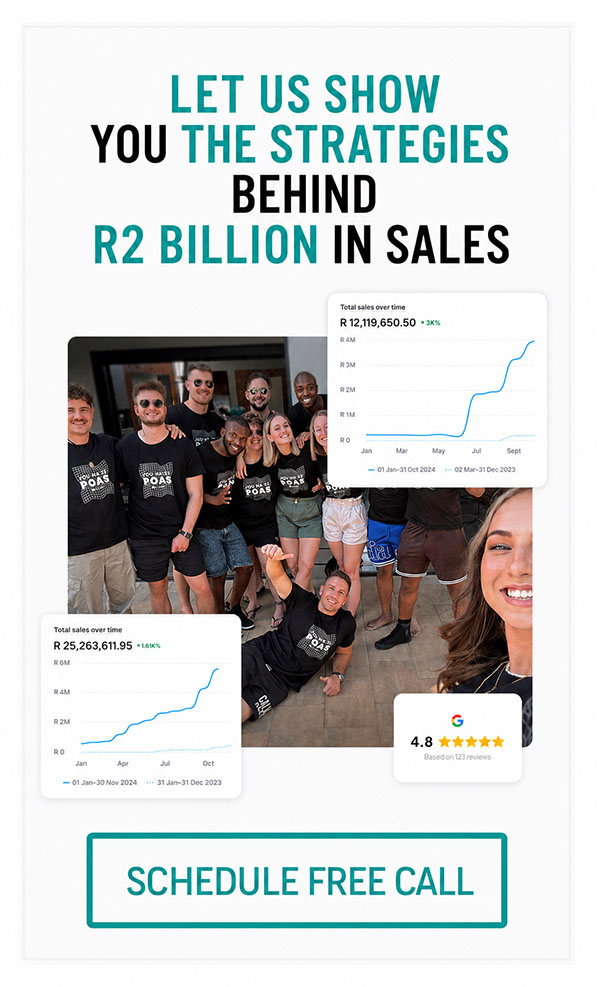
Abandoned cart emails recover roughly 8 to 15% of otherwise lost sales, with a 10% average, according to Klaviyo and Omnisend data. The winning setup in 2026 is a three-email sequence sent at 1 hour, 24 hours, and 72 hours after someone leaves items behind. Lead with reminders and proof, not discounts, so you recover the sale without gutting your margin. This is the exact sequence we set up for every ecommerce client we run, from V8 Media, the team behind R2+ billion in client sales.
Roughly 70% of carts get abandoned. That is not a leak. It is a flood.
Picture this. Someone finds your product. They like it. They add it to cart. Then they vanish.
It happens to about 7 in 10 shoppers. The Baymard Institute, which pooled 50 separate studies, puts the cart abandonment rate at just over 70%. They get distracted, spooked by shipping, or they are just price-checking. Most stores shrug and move on. They blame the traffic. They go buy more ads.
Wrong move. That shopper already raised their hand. They are the warmest lead you will ever get. Winning them back costs a fraction of finding a new one. Ignore them and you may as well hand the sale to Takealot for free. Abandoned cart emails are how you win it back, on autopilot, while you sleep.
Why people abandon carts (and what you can fix)
Before you recover carts, understand why they bail. Most reasons are fixable.
- Surprise shipping costs. The number one killer. A R600 product becomes R720 at checkout and trust evaporates.
- Forced account creation. Make people sign up before they buy and a chunk walk. Offer guest checkout.
- Payment trust. In South Africa, a checkout that does not feel safe loses the sale. Show your payment logos and security badges.
- Just browsing. Some were never ready. That is fine. The email brings them back when they are.
Fix the checkout leaks first. Then let the emails mop up the rest. Recovering carts while your checkout leaks is like bailing a boat without plugging the hole.
Cart abandonment vs checkout abandonment
Quick distinction, because it changes your approach. Cart abandonment is when someone adds a product and leaves before starting checkout. Checkout abandonment is when they start entering their details and bail partway. Checkout abandoners are hotter. They were closer to paying. So the email to them should be faster and more urgent. If your platform can tell the two apart, treat checkout abandoners as the priority.
Why this is the highest-ROI email you will ever send
The intent is already there. They wanted the product. Your email is not selling. It is removing whatever spooked them. That is why these emails outperform almost everything else you send.
| Metric | Typical performance | What it means |
|---|---|---|
| Open rate | 35 to 50% | Far above a normal campaign. The intent is fresh. |
| Recovery rate | 8 to 15% of carts | Free revenue you were going to lose. |
| Revenue per recipient | R40 to R60 average, much higher for top stores | Each email on the list is worth real money. |
Benchmarks drawn from Klaviyo, Omnisend and Flowium 2026 abandoned-cart data. Rand figures converted from published USD averages.
Klaviyo's 2024 benchmark data, drawn from thousands of stores, is blunt on one point: a three-email sequence pulls in vastly more than a single email. One reminder leaves most of the money on the table. Omnisend's email benchmarks back it up, ranking cart emails among the highest-converting messages a store can send.
What cart recovery is worth in Rands
Make it real. Say your store gets 500 abandoned carts a month, with an average cart value of R800.
- Recover 10% of them: 50 sales.
- 50 sales at R800 each: R40,000 recovered every month.
- That is R480,000 a year, from an automation you build once and leave running.
No new ad spend. No new product. Just plugging a hole that was already there. That is why this is the first automation we set up for every ecommerce client.


The 3-email sequence that actually works
One email is a missed opportunity. Three is the sweet spot. More than three and you start annoying people. Here is the sequence, with the timing that captures the most sales without fatiguing your list.
Email 1: the gentle reminder (send within 1 hour)
Speed matters. Send this while the product is still on their mind. No discount. Just a friendly nudge.
- Show the exact product they left, with the image.
- One clear button: "Complete your order."
- Subject line that names the product. "Still thinking about the [product name]?" beats "You forgot something" every time.
Email 2: handle the objection (send at 24 hours)
By now, doubt has crept in. Your job is to remove it. No discount yet.
- Stack the proof: reviews, ratings, real customer photos.
- Answer the silent questions: returns policy, delivery time, guarantee.
- Remind them what they are missing, not just what they left.
Email 3: the nudge over the line (send at 72 hours)
This is where a small incentive earns its place. Only now. Only if you need it.
- A modest discount or free shipping, framed as a thank-you, not a fire sale.
- Gentle urgency: "Your cart is about to expire."
- Make the button impossible to miss.
The discount mistake that quietly kills your margin
Here is where most stores blow it. They lead Email 1 with a 15% discount. Big mistake.
You just trained every shopper to abandon their cart on purpose. They learn that if they wait, a discount lands in their inbox. You are paying people to hesitate. And you are torching your margin on sales you would have won anyway.
Lead with reminders and proof. Hold the discount for Email 3, and only if the first two did not convert. Protect the margin first. A recovered sale at full price beats a recovered sale at 15% off, every single time. If you are not sure what that discount really costs you, read our guide on eCommerce profit margins.
The South African edge: recover carts on WhatsApp
This is where SA stores have an unfair advantage that global guides miss. South Africans live on WhatsApp. Open rates on email hover around 40%. A WhatsApp message gets opened almost every time, usually within minutes.
So do not stop at email. Add a WhatsApp step to your sequence. A short, human message a few hours after the cart is abandoned often beats all three emails combined. "Hi [name], saw you left the [product] in your cart. Anything I can help with?" feels personal, not corporate.
The rule: get permission first. Only message people who opted in. Done right, WhatsApp plus email is the strongest cart-recovery combo available to a South African store. Done wrong, it is spam. Respect the channel.
How to actually set it up
Good news. You do not need to code. The tools do the heavy lifting.
- On Shopify or WooCommerce: connect an email platform like Klaviyo or Omnisend. Both have abandoned cart flows built in. Klaviyo is the heavyweight for stores that want to scale.
- The flow: the platform spots an abandoned cart, waits your set time, then fires the emails on its own. You build it once.
- For WhatsApp: use an opted-in tool that plugs into your store. Keep the message short and human.
- Stack retargeting on top: show the abandoned product as a Meta or Google ad too. Pairing recovery flows with managed Meta Ads squeezes the most out of every cart. Email plus ads plus WhatsApp surrounds the shopper without nagging on any one channel.
Set the timing, write the three emails, switch it on. Build it once. Leave it running. It recovers revenue around the clock, hands off.
Subject lines that get opened
The email only works if it gets opened. The subject line does that job. Specific beats clever.
- Name the product: "Still thinking about the Nguni Leather Bag?"
- Be human: "Did something go wrong at checkout?"
- Create gentle urgency (email 3): "Your cart is about to expire."
Skip the generic "You left something behind." Everyone uses it. It reads like a robot. Yours should read like a person who runs the shop.
The mistakes that leak recovered revenue
Sending only one email
One email recovers a slice. The second and third often pull in more than the first. Stopping at one leaves most of the money behind.
Waiting too long to send
Send the first email a day later and the intent is gone. One hour is the window. Speed is the whole game.
Leading with a discount
Covered above, but it bears repeating. It is the most expensive habit in ecommerce email. Hold the discount.
Generic, faceless emails
A cold, templated email converts worse than a warm, human one. Write like the founder talking to a customer, not a brand talking to a database.
How to know your recovery flow is working
Switch it on, then watch four numbers. If these move, the flow is doing its job.
- Recovery rate: the share of abandoned carts that convert from the emails. Aim for 8% or more.
- Open rate: if it drops below 30%, your subject lines or sender reputation need work.
- Revenue per recipient: the real scoreboard. It tells you what each email is actually worth.
- Unsubscribe rate: if it spikes, you are sending too hard or too often. Pull back.
Check them monthly. Change one thing at a time. A subject line here, a timing tweak there. Small lifts compound into serious revenue over a year.
Cart recovery is one flow. The list is the machine.
Abandoned cart emails are the start, not the finish. The same automation thinking wins you a fortune across the whole customer journey. Set up a strong eCommerce welcome sequence for new subscribers, then build and grow your email list so you have more carts to recover in the first place. Automations compound. One good flow funds the next.
Frequently asked questions
How much revenue can abandoned cart emails recover?
They recover roughly 8 to 15% of abandoned carts, with a 10% average. For most stores that is a 5 to 10% lift in total revenue, on autopilot.
How many abandoned cart emails should I send?
Three. Send them at 1 hour, 24 hours, and 72 hours after abandonment. One email leaves most of the money behind; more than three starts to annoy people.
Should abandoned cart emails include a discount?
Not in the first two. Lead with a reminder and social proof to protect your margin. Hold a modest discount for the third email, and only if the first two did not convert.
Do abandoned cart emails work for South African stores?
Yes. And the WhatsApp angle is where SA stores get a real edge over global competitors running generic playbooks. South Africans open WhatsApp far more than email, so a short, opted-in nudge often outperforms the emails.
When should I send the first abandoned cart email?
Within 1 hour of the cart being abandoned, while intent is still high. Then follow up at 24 hours and 72 hours for the best recovery without fatiguing the shopper.
What is a normal cart abandonment rate?
Around 70% of online carts are abandoned. That is normal, not a sign your store is broken. The fix is a recovery flow, not panic.
Can I use SMS or WhatsApp instead of email?
Use them alongside email, not instead. In South Africa a short, opted-in WhatsApp message often gets opened faster, but email still does the heavy lifting on detail and proof.
Key takeaways
- About 70% of carts are abandoned. Recovery emails win back 8 to 15% of them.
- Send three emails: 1 hour, 24 hours, 72 hours. One email is not enough.
- Lead with reminders and proof. Hold any discount for the third email to protect margin.
- In South Africa, add a WhatsApp step. It often beats the emails on open rate.
- Fix checkout leaks (shipping shock, forced sign-up) first, then let the emails mop up.
If you find value in this video, don’t hesitate to hit ‘Like’ and ‘Subscribe’ for more insightful content.